

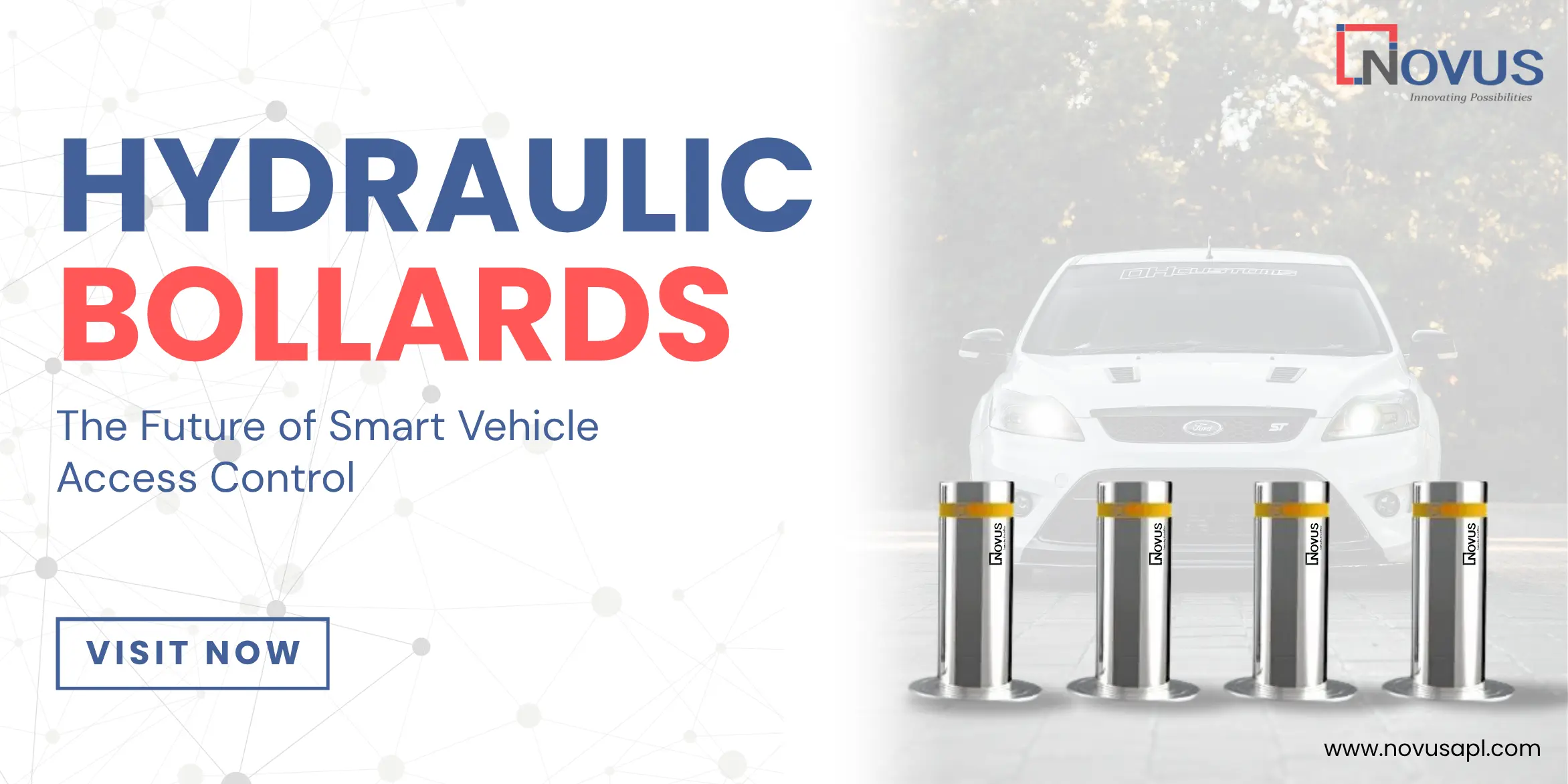
1)Hydraulic Bollards: The Future of Smart Vehicle Access Control
2)What Are Hydraulic Bollards?
3)How Do Hydraulic Bollards Work?
4)Key Benefits of Hydraulic Bollards
5)Common Use Cases of Hydraulic Bollards
6)Installation Process: What to Expect
7)Common Problems & How to Avoid Them
8)Cost and ROI of Hydraulic Bollards
8)Future Trends: Smarter and Greener Bollards
Imagine managing a high-traffic entrance—cars entering, deliveries arriving, VIPs parking. You need smooth access for authorized vehicles and an instant stop for unauthorized ones. That’s where hydraulic bollards step in — a modern solution that combines security, automation, and aesthetics into one powerful system. Whether you manage a corporate facility, residential complex, or public space, hydraulic bollards ensure safety without compromising convenience. In this guide, we’ll break down what they are, how they work, and why they’ve become a preferred choice for facility managers, security heads, business owners, and homeowners looking for reliable access control.
Hydraulic bollards are automated, retractable barriers designed to control or restrict vehicle entry in specific zones. Unlike static barriers or gates, these bollards can rise and retract seamlessly from the ground using hydraulic power. They are often installed at entry points of sensitive or high-security areas, such as government buildings, airports, military zones, or private facilities. When lowered, vehicles can pass; when raised, the solid steel post blocks any unauthorized vehicle from entering. These systems are engineered for durability, impact resistance, and automation, offering a balance of safety and style.
Let’s simplify the mechanics
It’s simple yet powerful — automation designed to protect assets and people without manual intervention.
Hydraulic bollards are built to withstand vehicle impact, making them ideal for high-risk or restricted zones. They form a physical and psychological deterrent to unauthorized access.
Unlike heavy gates or barriers, hydraulic bollards blend beautifully with modern architecture. When retracted, they are almost invisible, maintaining the open look of your property.
Integrate hydraulic bollards with your smart access systems, CCTV, or visitor management tools for complete control from one interface.
With durable stainless steel construction and weatherproof design, these bollards require minimal maintenance even in harsh conditions.
Perfect for both temporary restrictions (like VIP events) and permanent installations (corporate or residential entryways).
Since they retract completely, pedestrians and cyclists can move freely when the bollards are down.
Hydraulic bollards are versatile. Here’s where they make the biggest impact:
Installing hydraulic bollards involves a few key steps, usually handled by trained professionals:
Pro tip: Always choose certified installation teams to ensure seamless performance and longevity
Even the best systems need upkeep. Here are common challenges with hydraulic bollards — and how to solve them:
Routine checks every 6–12 months can significantly extend the lifespan of your bollard system.
The cost of hydraulic bollards varies based on material, automation level, and installation complexity. On average, they’re a long-term investment — providing both physical protection and operational efficiency.
Here’s the value breakdown:
Over time, hydraulic bollards reduce manual monitoring costs and improve entry efficiency, making them a smart business decision.
The evolution of hydraulic bollards is already here. Expect to see:
According to Wikipedia’s entry on bollards, the role of bollards has expanded from simple boundary markers to critical components of modern urban infrastructure. The future clearly belongs to automated, intelligent bollard systems.
At NovusAPL, we believe in engineering trust through technology. Our hydraulic bollards are designed with precision, built for endurance, and integrated with smart automation to meet the toughest security challenges.
From residential complexes to government installations, NovusAPL delivers customized access control solutions backed by strong after-sales support.
We focus on reliability, aesthetics, and innovation — helping businesses and homeowners create safer, smarter environments.
A hydraulic bollard is a retractable security post operated through a hydraulic system to control unauthorized vehicle access in sensitive or high-security areas.
Hydraulic pressure is used to raise and lower the bollard automatically via access control systems like RFID, keypad, sensors, or remote controls.
They are commonly installed in embassies, airports, stadiums, defense areas, data centers, corporate entrances, parking zones, and VIP facilities.
They provide high security, fast operation, weather resistance, aesthetic appeal, and efficient traffic control.
Automatic models work fully by hydraulic power, while semi-automatic require manual activation assistance.
Yes, crash-rated hydraulic bollards can withstand high-speed vehicle impacts and are certified for anti-terror installations.
Yes, with manual override or backup power systems like UPS.
Typically 3–7 days depending on trenching, wiring, and civil construction needs.
Periodic checks of hydraulic fluid, seals, and sensors ensure long-term performance.
With proper maintenance, they can last more than 10–15 years.
They are made of stainless steel and corrosion-resistant metal alloys to ensure durability in harsh environments.
If you’re ready to upgrade your property’s security with hydraulic bollards, it’s time to partner with experts who deliver precision, performance, and peace of mind.
👉 Contact NovusAPL today to discuss your project, request a demo, or get a tailored access control solution for your facility.
📞 Call: +91 72900 44421
📧 Email: sales@novusapl.com | support@novusapl.com

Accelerate Your Business with Novus Automation
Become a Partner