

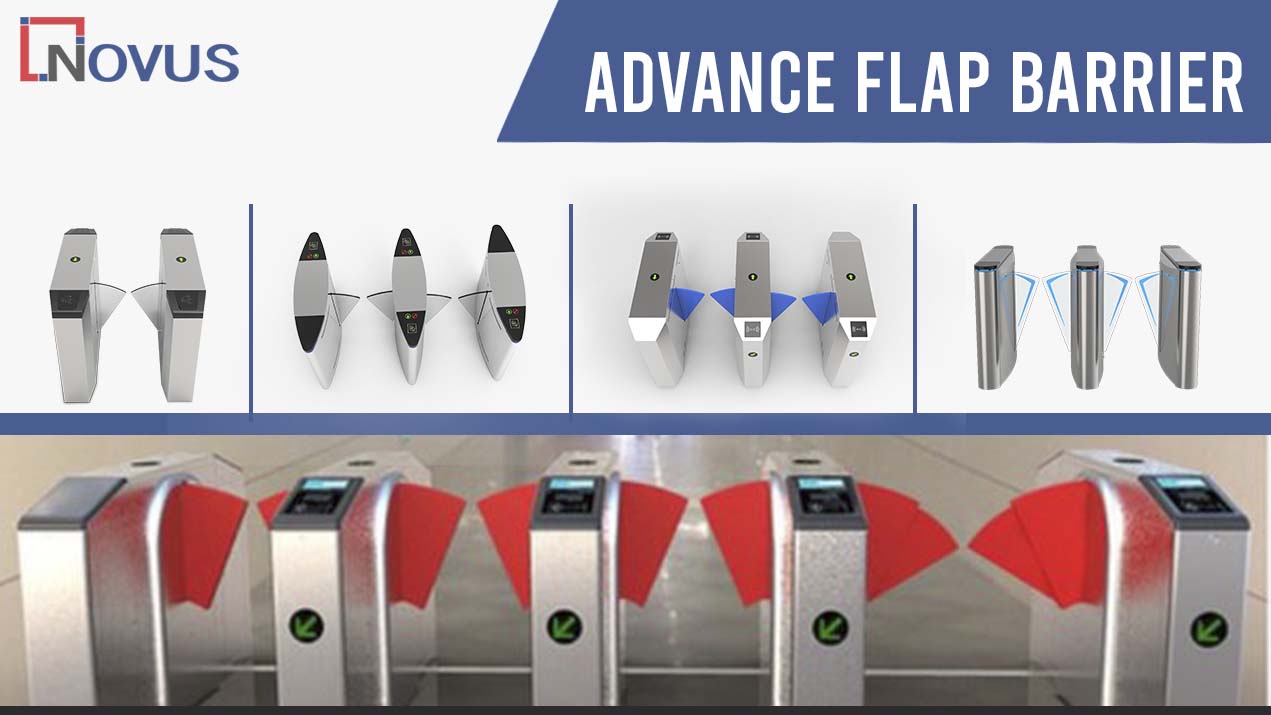
1) Advanced Flap Barriers: Stepping Up Security and Streamlining Access Control
2) A Glimpse into the Future of Access Control Flap Barriers :
3) What are Advanced Flap Barriers?
4) The Future of Access Control
Flap barriers have long been a staple for access control, offering a sleek and efficient way to manage foot traffic. But in today's dynamic security landscape, the need for advanced flap barriers has become increasingly apparent. These go beyond simple physical barriers, integrating cutting-edge technology to deliver enhanced security, improved user experience, and seamless data integration.
Flap barriers have long served as a reliable and efficient way to control access to buildings and restricted areas. However, with the ever-evolving technology landscape, traditional flap barriers are becoming increasingly inadequate to meet the growing demands for security, convenience, and data collection. This is where advanced flap barriers come to the fore, offering a glimpse into the future of access control.
Advanced flap barriers are undoubtedly shaping the future of access control. As technology continues to evolve, we can expect to see even more sophisticated features and functionalities, further blurring the line between physical and digital security. These advancements will create a more secure, convenient, and data-driven approach to access control, ultimately transforming the way we manage and control access to buildings and restricted areas.
Advanced flap barriers are not just a security upgrade; they are a strategic investment in a safer, smarter, and more efficient future. By embracing these technological advancements, you can ensure your organization stays ahead of the curve and delivers a best-in-class experience for everyone who steps through your doors.
Advanced flap barriers offer a compelling solution for organizations seeking to enhance their security posture, improve operational efficiency, and personalize the user experience. By embracing these innovative technologies, organizations can gain a competitive advantage and stay ahead of the curve in the ever-evolving landscape of access control.
Advanced flap barriers use automated swing flaps and access authentication to ensure only authorized pedestrians can pass. They improve security by preventing tailgating and unauthorized entry in controlled environments.
They can be connected with RFID card access, biometric devices, face recognition systems, QR readers and visitor management platforms for centralized access control.
These systems include infrared sensors, anti-tailgating alarms, auto-reverse on obstruction and fire alarm integration to ensure pedestrian safety and compliance with building standards.
They are widely used in airports, commercial buildings, gyms, stadiums, universities, metro stations and workplaces with heavy pedestrian traffic.
Yes. They reduce reliance on security personnel, streamline entry management and lower operational expenses due to their durable design.
Key considerations include expected foot traffic, entrance width, IT/infra compatibility and accessibility for differently-abled users.
Most flap barriers open within 0.3 to 1 second, allowing quick pedestrian movement during peak hours.
They can be installed alongside accessible swing gates or wider lanes to support wheelchairs, strollers and baggage.
Stainless steel frames with acrylic or polycarbonate flaps are commonly used to provide long lifespan and corrosion resistance.
During emergencies like fire alarms, flaps automatically open or retract to allow fast evacuation.
Yes. They can automatically log entry and exit data by syncing with existing attendance or HR systems.
They automate identity verification and access monitoring, reducing the need for full-time gate personnel.

Accelerate Your Business with Novus Automation
Become a Partner