

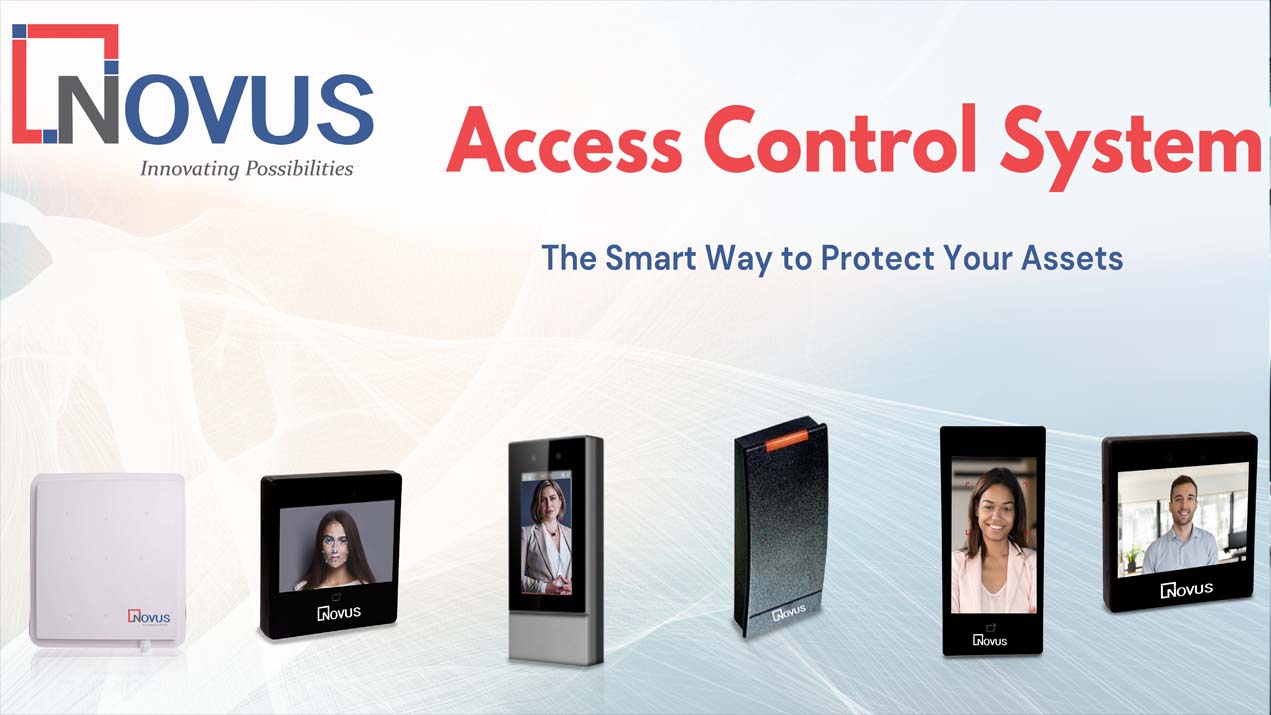
1) How to Safeguard Your Business Premises through Access Control System
3) Benefits of Access Control System
Access Control System is integral to our daily lives. From unlocking our smartphones using fingerprint recognition to swiping a key fob to enter a gym or apartment building, the access control system is ever-present. In essence, Access Control is a security mechanism that either permits or denies access to a particular location based on the person's identity, which can be established through various means like biometrics, passwords, key cards, and more. In this blog, we will delve into the world of Access Control System, understanding how it functions, exploring its core types, and evaluating the pros and cons of implementing it in your business.
Access Control encompasses a variety of security systems, all designed around the core concept of granting or denying access based on identity verification. At its core, Access Control systems enable users to unlock a door by verifying their identity. If you are authorized, the lock will open; if not, access will be denied. Access Control systems typically consist of several essential components:
Access Control system offers a plethora of benefits for businesses:
While Access Control system offers substantial benefits, they are not without challenges
Access Control Systems are essential tools for enhancing security, streamlining access management, and reducing risks in businesses. While they come with challenges, the benefits of these systems far outweigh the drawbacks. Embracing Access Control can lead to a safer, more efficient, and more secure work environment.
An access control system is a security solution that verifies a person’s identity before granting entry to a restricted area. It replaces traditional lock-and-key setups with automated authorization using credentials such as cards, biometrics, mobile access, or PINs.
It prevents unauthorized access, protects sensitive areas, and ensures only verified individuals can enter business premises, keeping employees and assets secure.
When a user presents a valid credential to a reader, the controller processes the request and unlocks the door if permission is authorized. Every access event is logged for tracking and security audits.
Key components include credentials (ID), user database, access readers, control panels, electronic locks, and management software.
It limits unauthorized entry, reduces internal theft, helps enforce duty hours via time-based access permissions, and eliminates the risk of lost keys.
Yes. They can work with CCTV, alarms, visitor management, attendance software, and fire evacuation systems for unified security automation.
Common options include standalone door systems for single entries, networked systems for large buildings, and cloud-based access for remote management.
Yes. They automatically capture check-in/check-out times to improve attendance monitoring and HR accuracy.
They reduce manpower dependency, eliminate physical key replacement and prevent unauthorized access incidents, delivering long-term operational savings.
Security level, number of users, door and lock compatibility, integration requirements and budget must be evaluated before deployment.
Backup power and fail-safe/fail-secure modes ensure either safe evacuation or continued security, based on the building’s safety requirement.
Modern interfaces are intuitive and require minimal training, enabling fast adoption across all users.
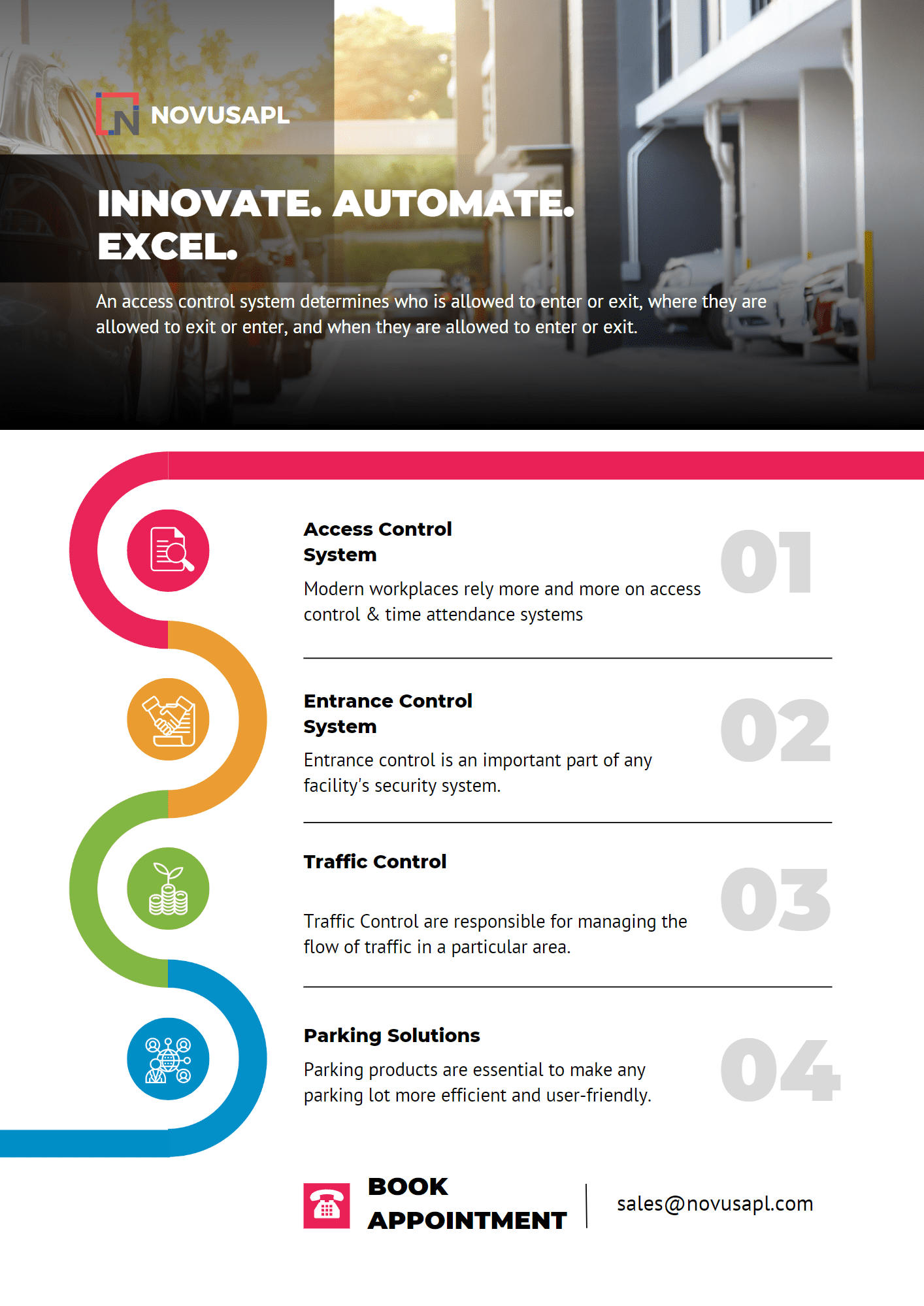

Accelerate Your Business with Novus Automation
Become a Partner